

- August 21, 2026
- Webmaster
For years, wallpaper was treated as a design liability in residential interiors. It was often viewed as a commitment that homeowners might regret; a decorative choice that could quickly feel dated or need to be removed before selling.
That perception has changed.
Today’s wallcoverings offer an exceptional range of artistry, texture, and quality, from handcrafted papers to sophisticated digital designs. Classic toile, abstract botanicals, atmospheric landscapes, and architecturally scaled geometrics can all bring a level of depth and individuality to an interior that paint alone cannot provide.
For luxury homes, this evolution makes wallpaper an especially compelling design element. Rather than simply serving as a decorative backdrop, it can help define a room, reinforce its architecture, and create a more immersive experience.


More Than a Decorative Backdrop
Paint has long served as the default finish for residential walls, providing a clean foundation for furniture, artwork, and character details. However, wallpaper offers an opportunity to introduce something a single paint color cannot: dimension.
A panoramic mural can visually extend the boundaries of a room. An abstract design can generate a sense of motion across a spacious wall, while textured wallpaper can catch and reflect natural light throughout the day, giving the walls an almost architectural quality.
Speaking of architecture, wallpaper can enhance existing details. A beautiful pattern inset within panel modeling can transform each section into a framed vignette, while a botanical or geometric design above tailor millwork creates an interesting contrast between structured lines and organic movement.

Creating Character in Luxury Interiors
Neutral palettes remain a timeless choice for sophisticated interiors, and wallpaper can certainly be utilized to complement warm taupes, creams, and greiges. However, it can also provide an opportunity to introduce individuality without sacrificing refinement.
Muted watercolor designs can bring color into a room while maintaining a serene atmosphere, or a tonal botanical can add movement without overwhelming furnishings. The key is restraint and intention. The goal is not simply to choose the boldest pattern available, but to find a wallcovering with the right palette, scale, and character for the space.
Defining Open-Concept Spaces
Open-concept living creates opportunities for expansive views, natural light, and fluid movement throughout the home. It can also make it challenging to give individual areas a sense of identity.
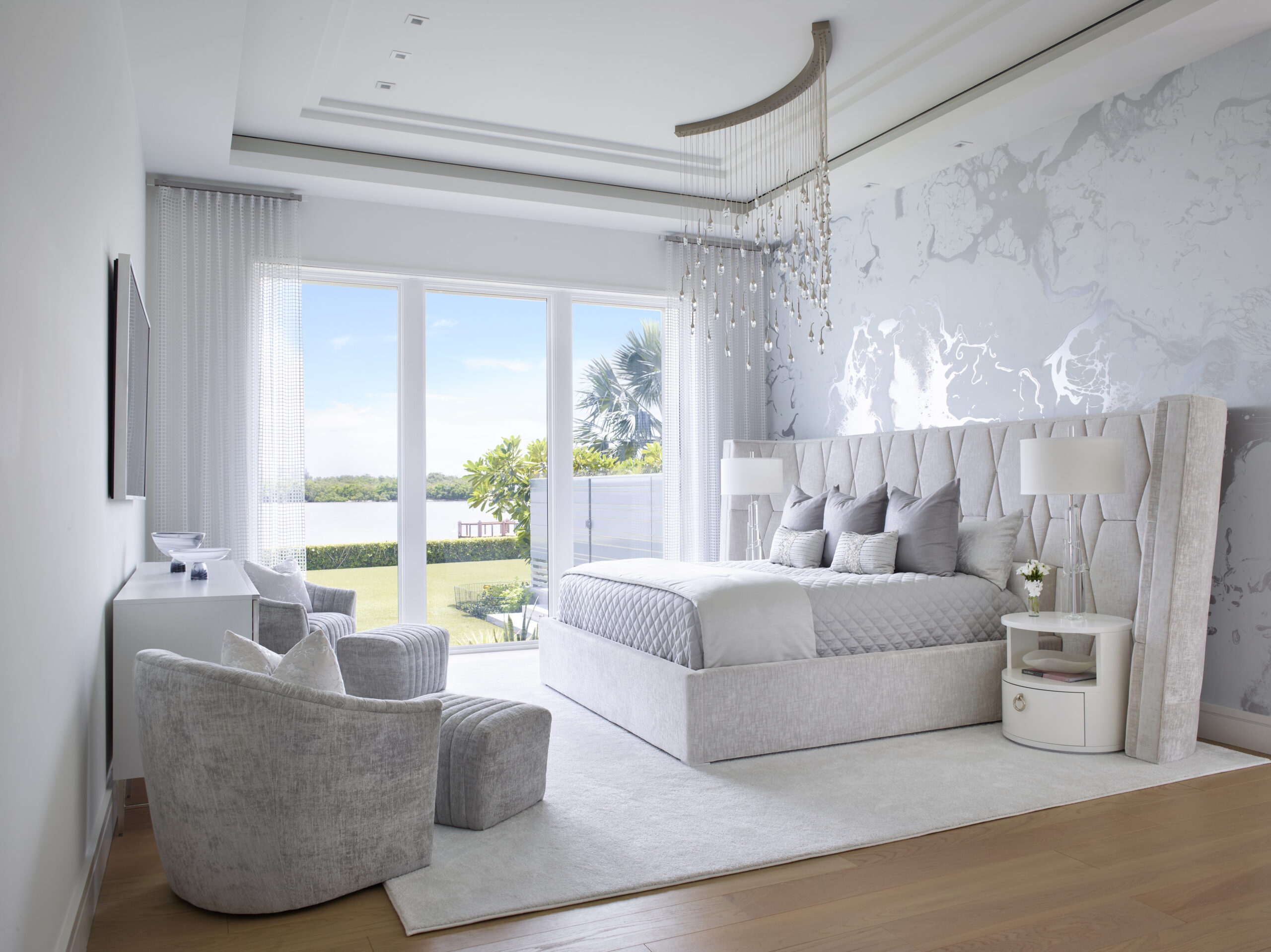
Wallpaper is a sophisticated way to define different zones without adding physical walls. A dramatic print behind a dining table can establish a dining area within a grand living space. A textured paper behind a seating arrangement can visually anchor the lounge. In a primary suite, a wallcovering behind the bed can distinguish the sleeping area while maintaining an open connection to the rest of the room.
Because wallpaper creates visual rather than structural distinction, it can preserve the architecture’s openness while establishing hierarchy and focus.
Where Wallpaper Can Make the Greatest Impact
While wallpaper can be used throughout the home, certain spaces offer inspiring opportunities for imagination.


A Powder Room Experience
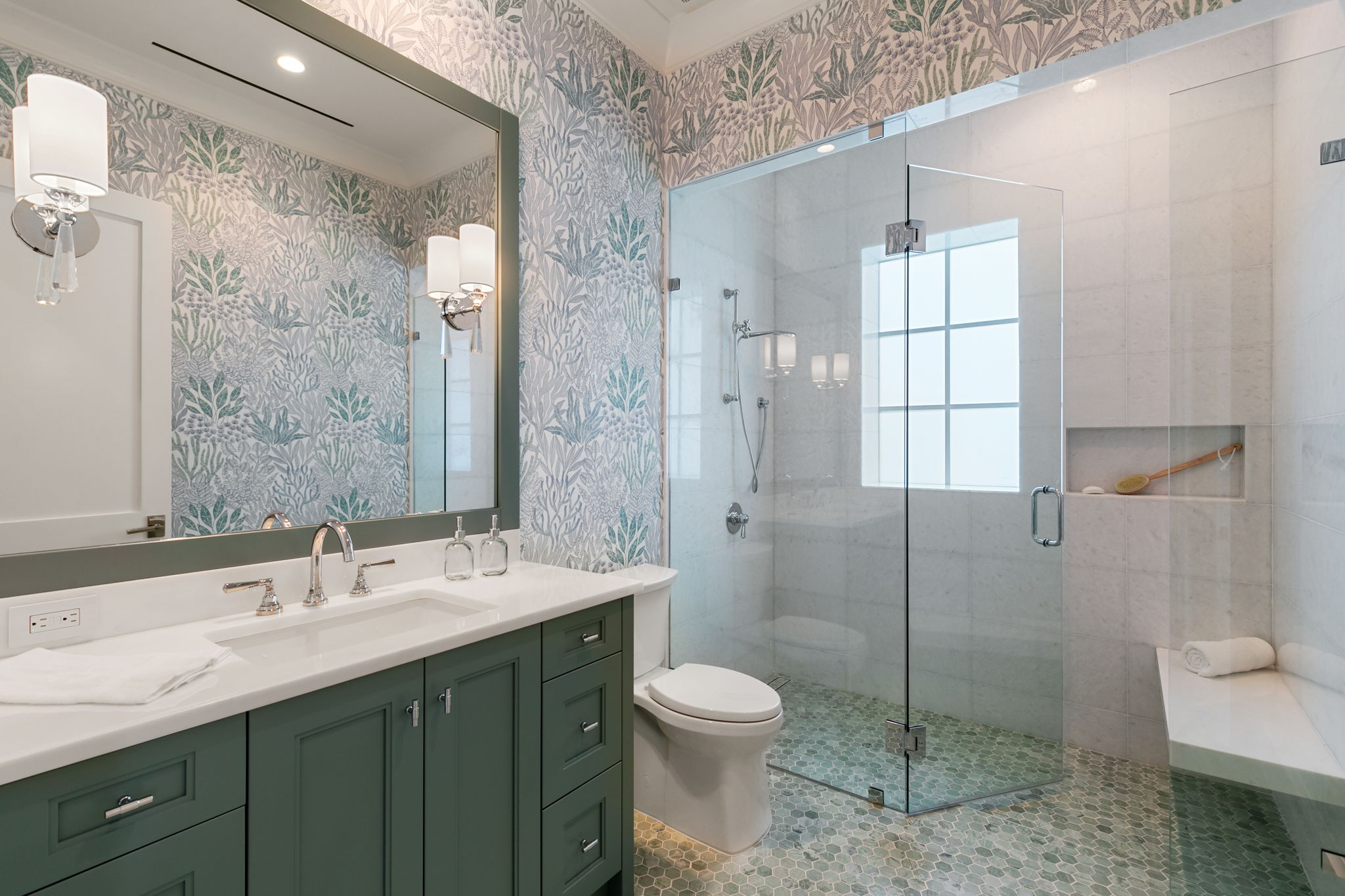
The powder room is a classic setting for wallpaper, and one of the best places to dip your toes into more dramatic design.
Its smaller scale allows homeowners to invest in distinctive wallpaper without committing an entire space or home to the pattern. More importantly, the powder room is a destination space for guests. A memorable wallcovering can transform a small functional area into a unique design experience.


Showcase Transitional Areas
Transition spaces are often overlooked in the home, yet they can have a significant impact on the overall story you want to tell.
A unique wallpaper in an entry foyer can make a design statement from the moment someone walks through the door. In stairways or hallways, wallcoverings can add visual interest to architectural spaces that often have little furniture or artwork.


Set the Mood in the Dining Room
Dining rooms are another natural setting for expressive wallpaper. A botanical, metallic, or richly textured paper can create a dramatic backdrop for entertaining and give the room an unmistakable sense of occasion.
Because dining rooms are typically used for set periods of time rather than continuously throughout the day, they can also accommodate greater visual intensity and movement without becoming overwhelming or draining.

Personalize a Home Office
Textured wallpaper can complement the wood, leather, books, and custom cabinetry found in a home office or library. Grasscloth wallcoverings, for example, can add subtle dimension behind built-in shelving while creating a sophisticated backdrop for your collection of treasured objects and furnishings.

Bring Coziness to a Bedroom
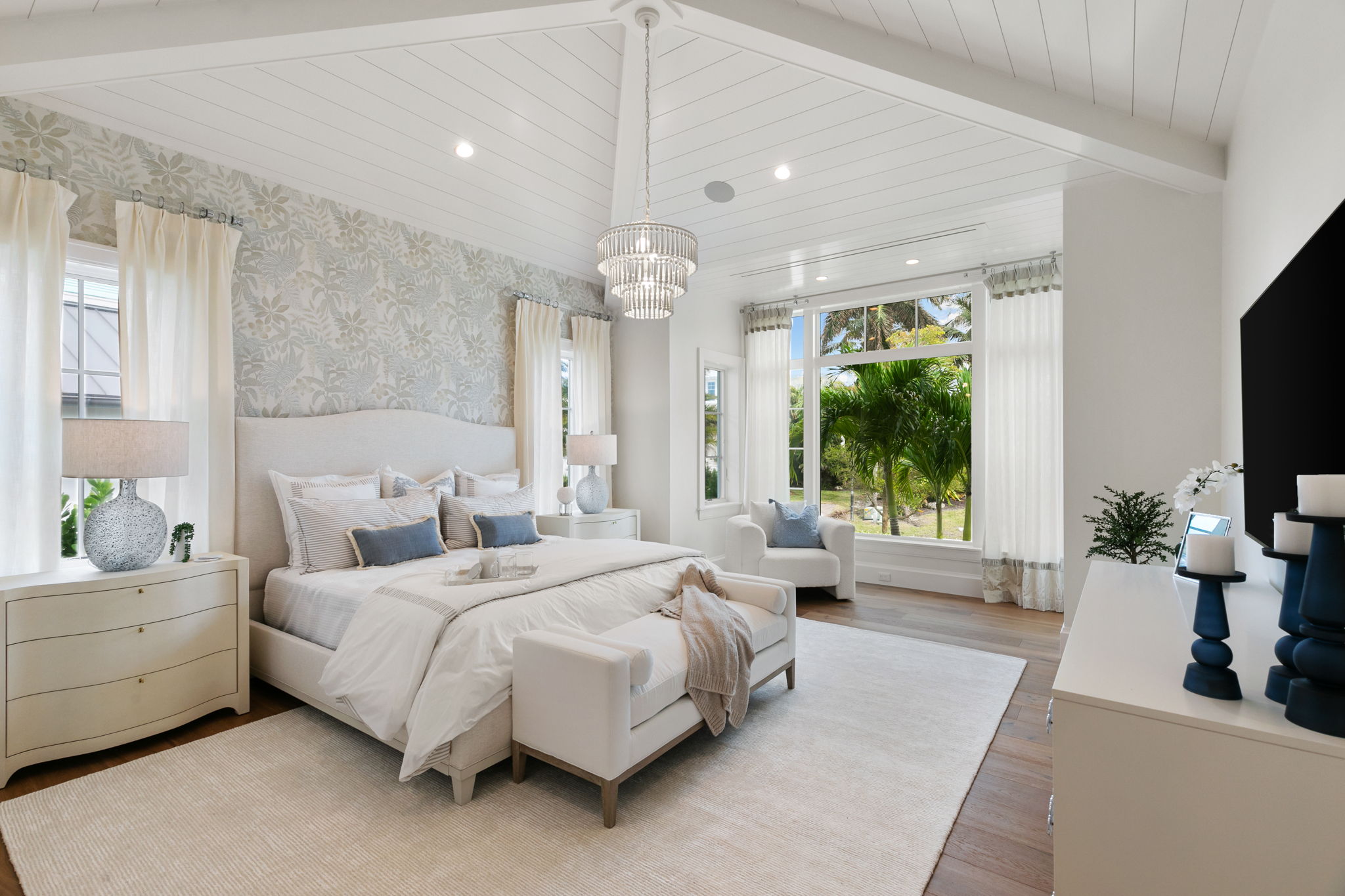
In a bedroom, a large-scale pattern or mural behind the bed can create a focal point and a sense of depth without relying on the traditional headboard.
Additionally, a thoughtfully selected wallcovering can make the bedroom feel more intimate and atmospheric, particularly when paired with soft textiles, tailored furnishings, and layered lighting.


Look Beyond the Walls
Wallpaper does not have to be limited to all the walls of a room.
Incorporating it within paneled or framed sections of millwork can create a custom, almost art-like effect while allowing the architecture to remain a strong part of the room’s composition. Wallpaper can also be applied selectively to ceilings, the backs of built-in bookcases, or even furniture, such as a dresser or nightstand, for a more unexpected design detail.


Select Wallpaper with Intention
Choosing the right wallpaper is more than finding a pattern you love. The ideal wallcovering should complement the architecture, lighting, furnishings, and function of the room.
- Pay attention to scale. Large-scale patterns can make a statement in expansive rooms, while more delicate designs may be better suited to smaller or transitional spaces.
- Evaluate the light. Colors and textures can look dramatically different throughout the day. Samples should be viewed in the actual room and under its natural and artificial lighting.
- Consider surrounding materials. Wallpaper should work with the stone, wood, upholstery, artwork, and furnishings already present in a design rather than compete with them.
- Think about texture. Grasscloth, fabric-backed paper, embossed designs, and other dimensional wallcoverings can add warmth and depth while creating a more tactile experience in a space.
Design with a New Perspective on Wallpaper
Wallpaper’s return to luxury interiors reflects a shift toward interiors that feel more personal, layered, and experiential. And the right wallcovering can introduce architectural depth, define spaces, add richness, or simply give a room charming character.
At Design West, our team can help you discover the patterns, materials, textures, and design details that can make your home feel distinctly yours – from a dramatic powder room to a timeless yet bespoke bedroom. Discover how Design West can help you find a new perspective on your home by completing your complimentary design profile, or visit Design West’s Fifth Avenue showroom in Naples to begin telling your home’s story.


