


- April 21, 2026
- Webmaster
There are elements in a home that are seen, and those that are felt. Natural light exists as both, shaping how a space is experienced and influencing not only its aesthetic, but also the mood, rhythm, and comfort of daily life.
At Design West, we consider natural light as more than a beautiful feature; it is an essential design tool – one that, when thoughtfully orchestrated, can transform interiors into spaces that feel expansive, balanced, and effortlessly refined.
The Presence of Light & Wellbeing
Before furnishings, before finishes, there is light.
It moves throughout the day: soft and diffused in the morning, bright and intense at midday, and warm and glowing as the sun sets. Each variation offers an opportunity to shape how a room lives and feels. And understanding the nature of light and how it manifests in a space, allows us to design with intention.
As natural light shifts throughout the day, it subtly influences your energy and focus, while also supporting your body’s internal rhythms, helping to regulate sleep, elevate mood, and improve productivity. This directly shapes how a space is experienced and lived in your home.
Designing with Light in Mind
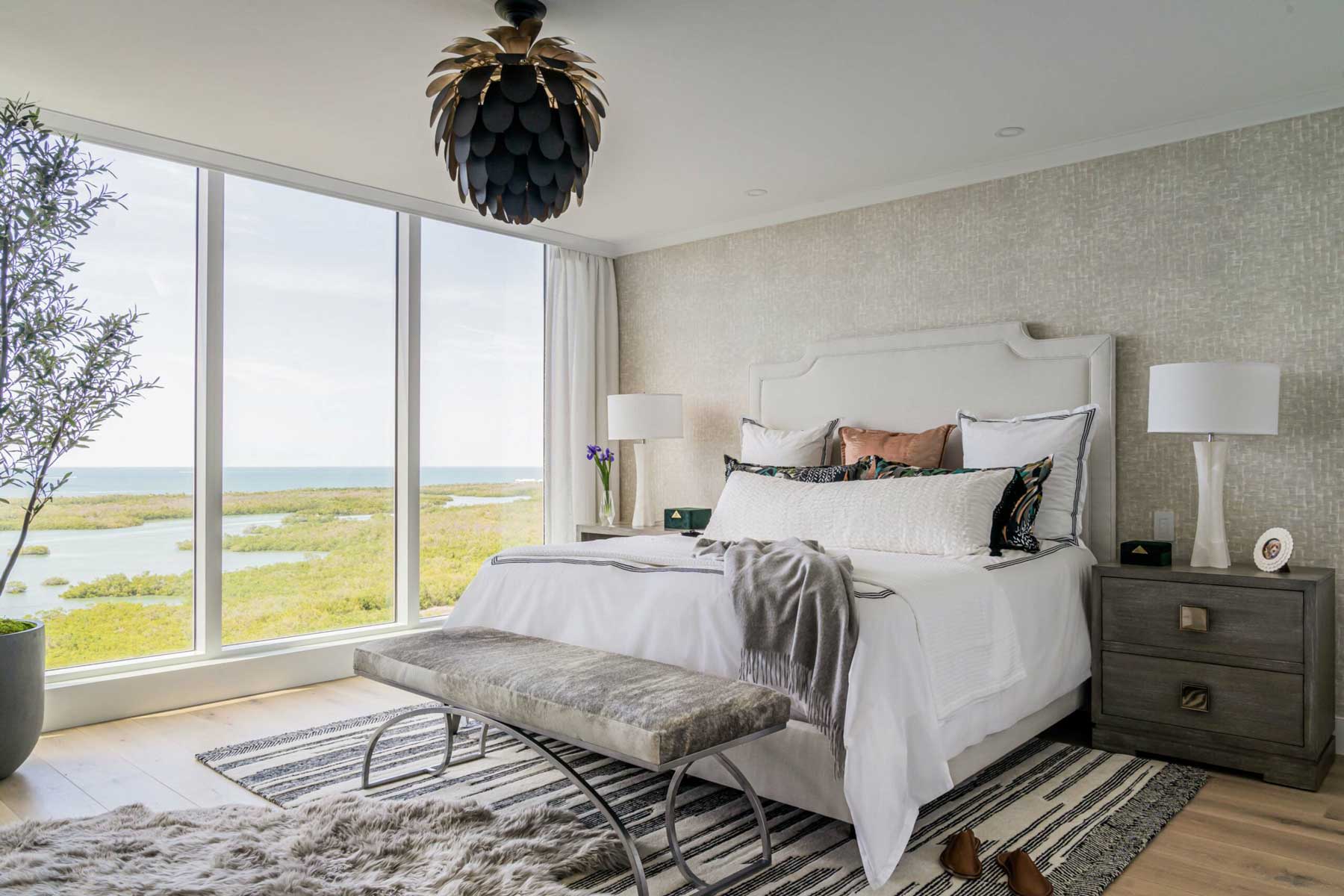
Every home has a relationship with the sun. The orientation of your windows determines the quality and consistency of light during the day. Thoughtful design begins with recognizing these daily transitions and the purpose of a space to then inform layout, material selection, and overall composition.
Whether the intention is to maximize natural light, create a more intimate atmosphere, or support multi-purpose living, light is the constant factor in every layer of design.


Letting in Light Through Architectural Elements
Architectural details play a defining role in how natural light enters and moves through a home. Expansive windows, strategically placed openings, and elevated design features such as skylights or clerestory windows can draw light deeper into a space. In areas where traditional windows or outer wall space are limited, those design features become especially impactful, introducing brightness without compromising privacy.
Glass, in its many forms, can extend this effect. Interior glass panels, transoms, and subtle partitions allow light to travel between spaces, maintaining a sense of cohesion while preserving function.

Balancing Softness & Reflection
The most compelling interiors strike a balance between amplifying natural light and encouraging visual warmth.
Reflective surfaces, such as mirrors, polished finishes, and metallic accents, can help bring light into darker corners, creating a sense of movement and dimension. However, to avoid a sterile feel, softer materials like linen, wood, and woven textures temper that brightness, ensuring a space feels grounded, comfortable, and inviting.
The Role of Colors & Materials
Color has a profound influence on how natural light is perceived. Lighter tones – classic whites, warm neutrals, and soft pastels – naturally reflect light, helping a room feel brighter and more expansive. Deeper tones, when used intentionally, introduce contrast and depth, balancing the overall composition of a room.
Material choices can further shape the feel of light in a space. For instance, finishes with a subtle sheen can gently reflect light, while matte surfaces absorb it.


Window Treatments as a Design Layer
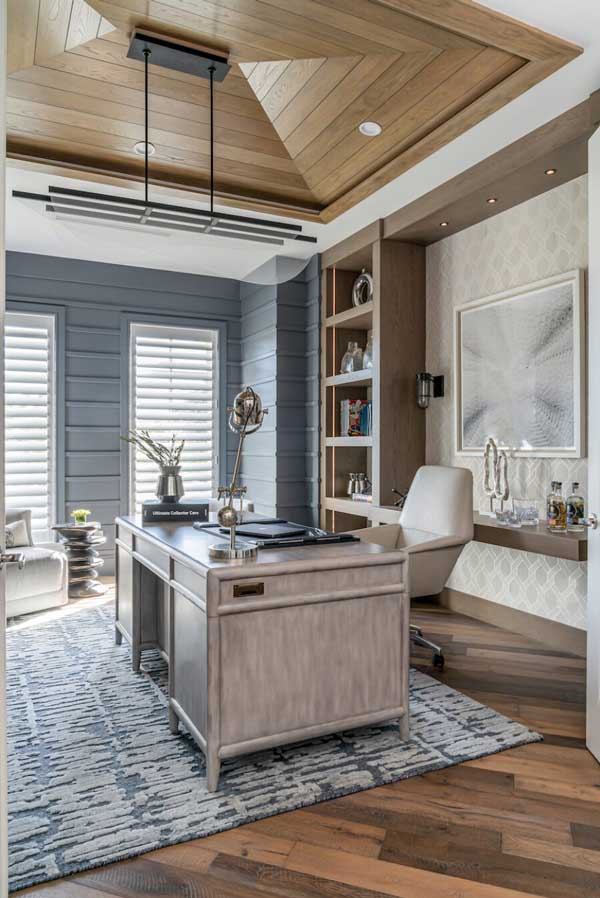
Window treatments are not just functional; they are integral to how natural light is experienced. Sheer fabrics can soften incoming sunlight, creating a diffused glow that feels calm and polished. Layered window treatments offer functional flexibility, allowing the light in a room to be adjusted throughout the day and offering privacy.
Furthermore, with thoughtful design, window treatments such as drapery can enhance the architectural character of windows while maintaining the desired quality of light in a space.
Layout & the Movement of Light
It may seem obvious, but the flow of light is also shaped by what surrounds it. Furniture placement, scale, and proportion all influence how light moves through a space. Open sightlines, low-profile pieces, and intentional spacing allow natural light to shine freely, while heavy or monumental elements can be used to interrupt light when or where needed.

Complementing Natural Light with Artificial Light
Even the most beautifully lit rooms require balance. Layered lighting – ambient, task, and accent – works in tandem with natural light to maintain illuminating consistency from dawn to day to evening to night. The goal is not to replace daylight, but to complement it, preserving the same sense of warmth and dimension after the sun sets.
Designing for Beauty & Efficiency
Natural light also plays a role in how a home performs. Energy-efficient glazing and advanced window technologies allow for abundant sunlight while maintaining interior comfort. These smart integrations ensure that spaces remain as functional as they are beautiful without compromising temperature control – keeping a room cool when needed, warm when desired, and always inviting.

Lighting the Way You Want to Live
Designing with natural light is ultimately about understanding how a space evolves throughout the day and shaping it to enhance the way you want to live. Whether you’re building or renovating a home or elevating an existing space, Design West can craft thoughtful interiors that feel effortless, where every element – including light- works in harmony.
Get started with your complimentary design profile or visit our Fifth Avenue showroom in Naples to explore how we can enlighten your vision for your home.


